
The Georgian Association in the USA is launching the ‘Making of Modern Georgia’ series, which intends to inform the American public on Georgian history and culture. This series brings together Georgian and non-Georgian researchers, academics, and practitioners to create an engaging series and provide information for those interested in learning more about Georgia today.
The series, titled “The Making of Modern Georgia” started in November 2025 and will go until Summer 2026. It will combine webinars, movie screenings, and other social activities to attract a wide range of participants and attendees.
Schedule of the events will be updated regularly. Topics and guests are subject to adjustment. Recordings of past events can be seen by clicking the title of the event.
November 30, 2025 – The Democratic Republic of Georgia, 1918-21
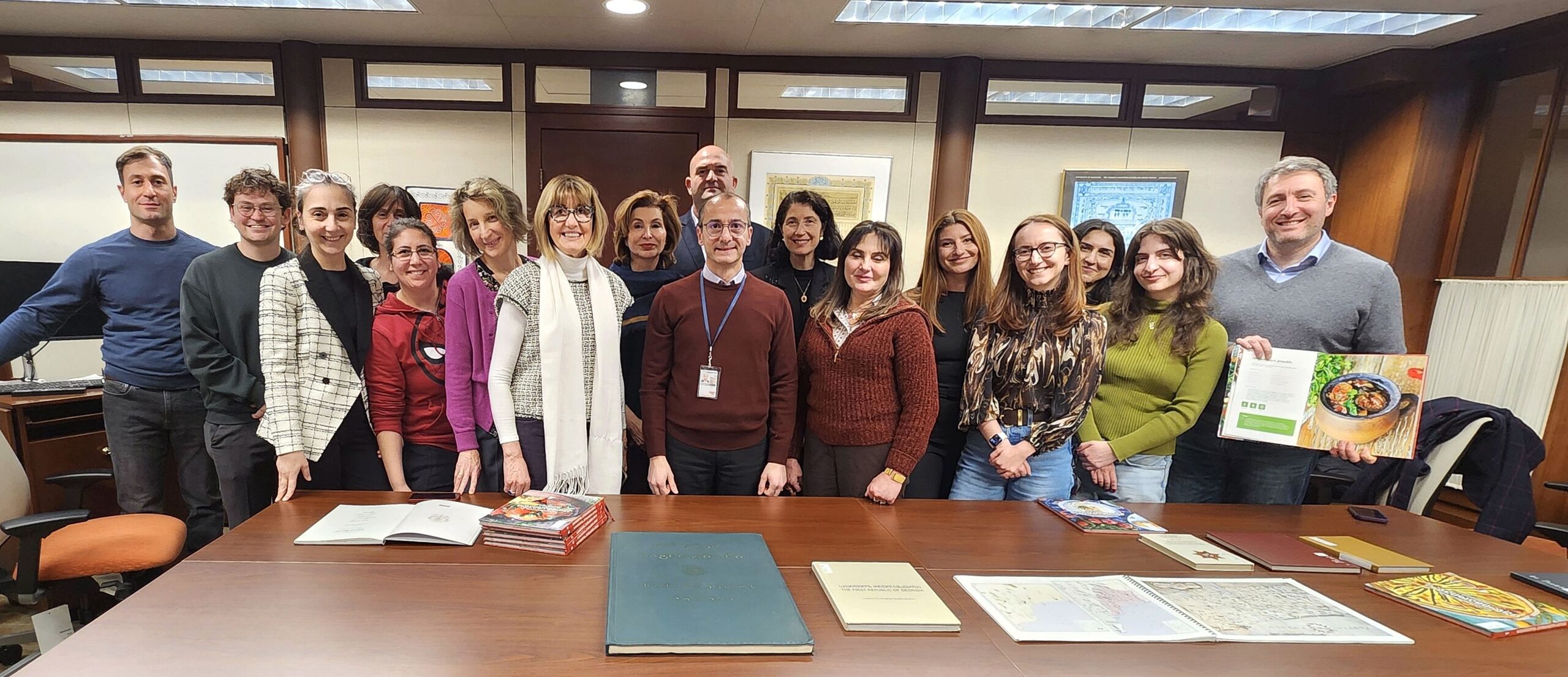
December 12, 2025. Visit to Library of Congress for a display and briefing on the Democratic Republic on Georgia materials.
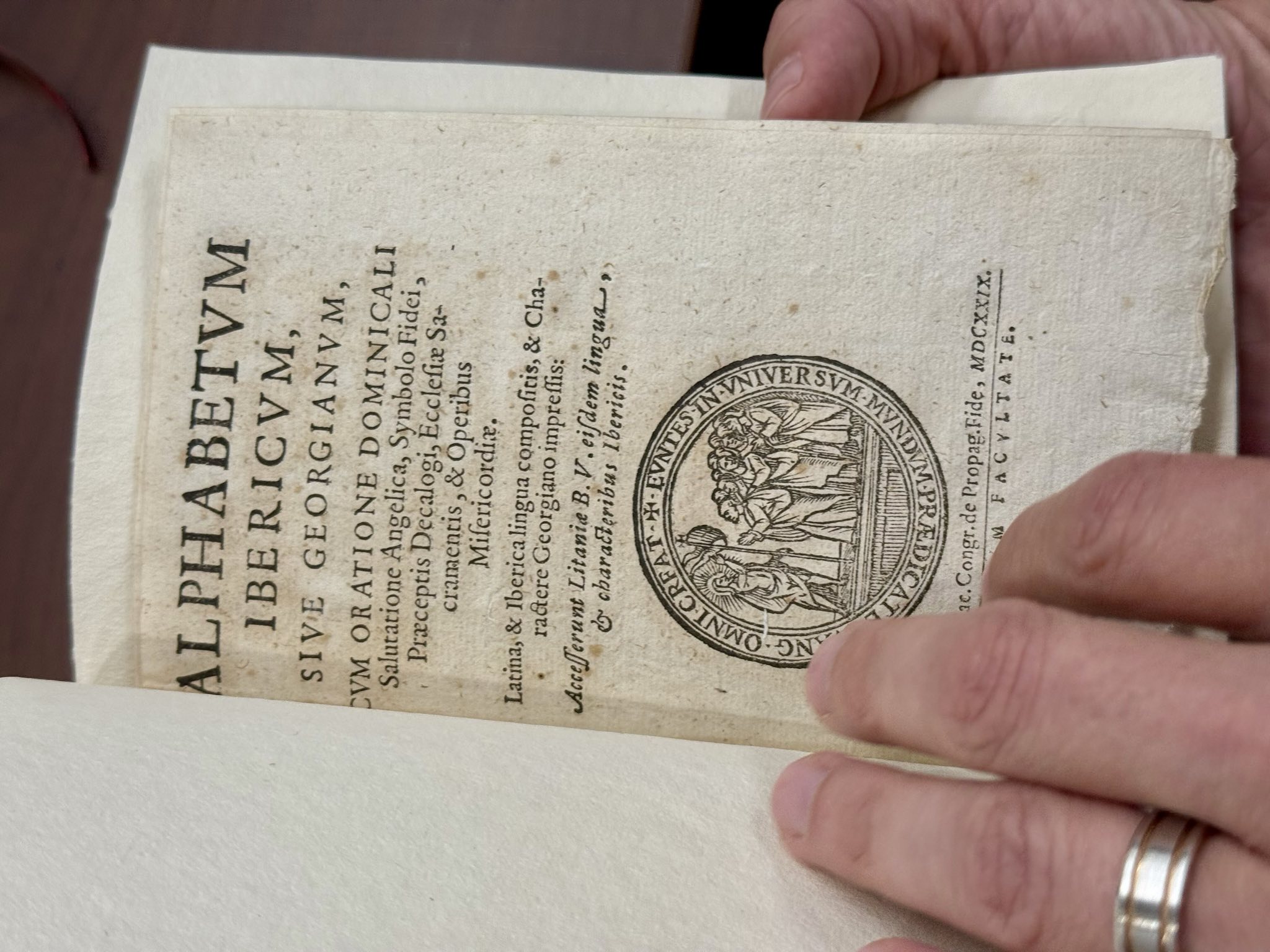
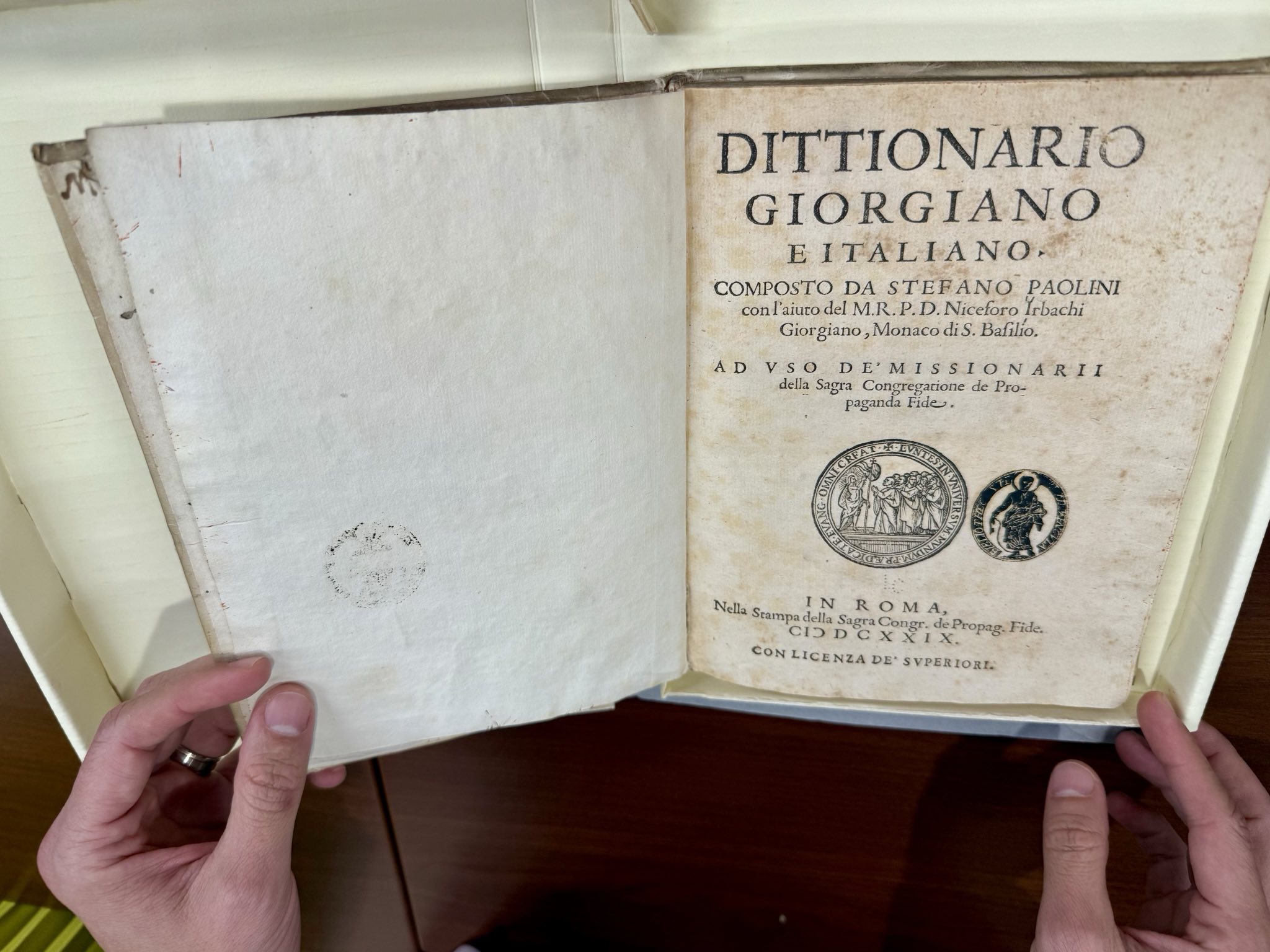
December 14, 2025 – Georgian Monks and Scribes: Shaping the Christian Legacy
2026
February 1, 2026 – Keeping the Georgian Language Alive: Poets, Legislators and Teachers
March 13, 2026, 3pm EST. Visit to Library of Congress – in Person.
March 14, 2026 – Soviet Georgia and its Legacy on Contemporary Politics
Session 6 – March 28, 2026, 1pm EST – How do Small States Survive? Lessons from Georgia
Since its emergence as a unified kingdom in the 11th century, Georgia has had to navigate its foreign relations with aggressive neighbors and distant allies. Despite its small size and modest population, Georgia has survived both wars and foreign occupation. What must Georgia do to ensure its survival in the 21st century as an independent state?
Moderator: Professor David Darchiashvili, Ilia State University
Guests:
Dr. Kornely Kakachia, Professor of Political Science, Tbilisi State University
Professor Neil MacFarlane, The Davis Center, Harvard University
Session 7 Georgia and the Black Sea – April 26, 2026, 1 pm EST
he Black Sea has always been a space of migration, trade, and commerce, but it’s role in Georgian history has been under researched. After the rise of the Ottoman and Russian empires, the Black Sea became a strategic space for Great Power competition. What role has the Black Sea played in Georgian history, and what role does it play today, as the Chinese sponsored Middle Corridor reaches Georgia’s West coast and the maritime war between Russia and Ukraine continues?
Moderator: Natia Chankvetadze (Director, Program on Georgian Studies, Davis Center, Harvard University)
Guests: Nata Sabanadze (former Georgian Ambassador to EU; Senior Specialist, Chatham House, UK); Natia Seskuria, Associate Fellow at the Royal United Services Institute (RUSI), UK
Webinar series continues in 2026 with the following topics (subject to updates)
- Armies and Nations: The Role of the Georgian Military Since Independence
Georgia has a long martial tradition, and many times has successfully defended itself against larger armies. Yet Georgia, subject to imperial occupation and hegemony, was unable for many centuries to establish a united military force of its own. After independence in 1991, Georgia created its own army and defended its own territory in 2008 from a foreign invasion. How important is the Georgian military to the security of the Georgan state? Is it ready to defend the country against the multiple national security threats that face it today? - Foreigners, Immigrants, and the Making of Modern Georgia
Located on a peninsula where trade routes from the north and south, and east and west, converge, Georgia has at times been part of the Eastern Mediterranean, the Middle East, and Europe (as a colony of the Russian empire). Foreign merchants, soldiers, religions, and ethnic minorities, have always had a major influence on the development of Georgian culture and statehood. How should we assess the role of immigrants in Georgian history and what is their role in the country today?